Our Focus
Where We Work
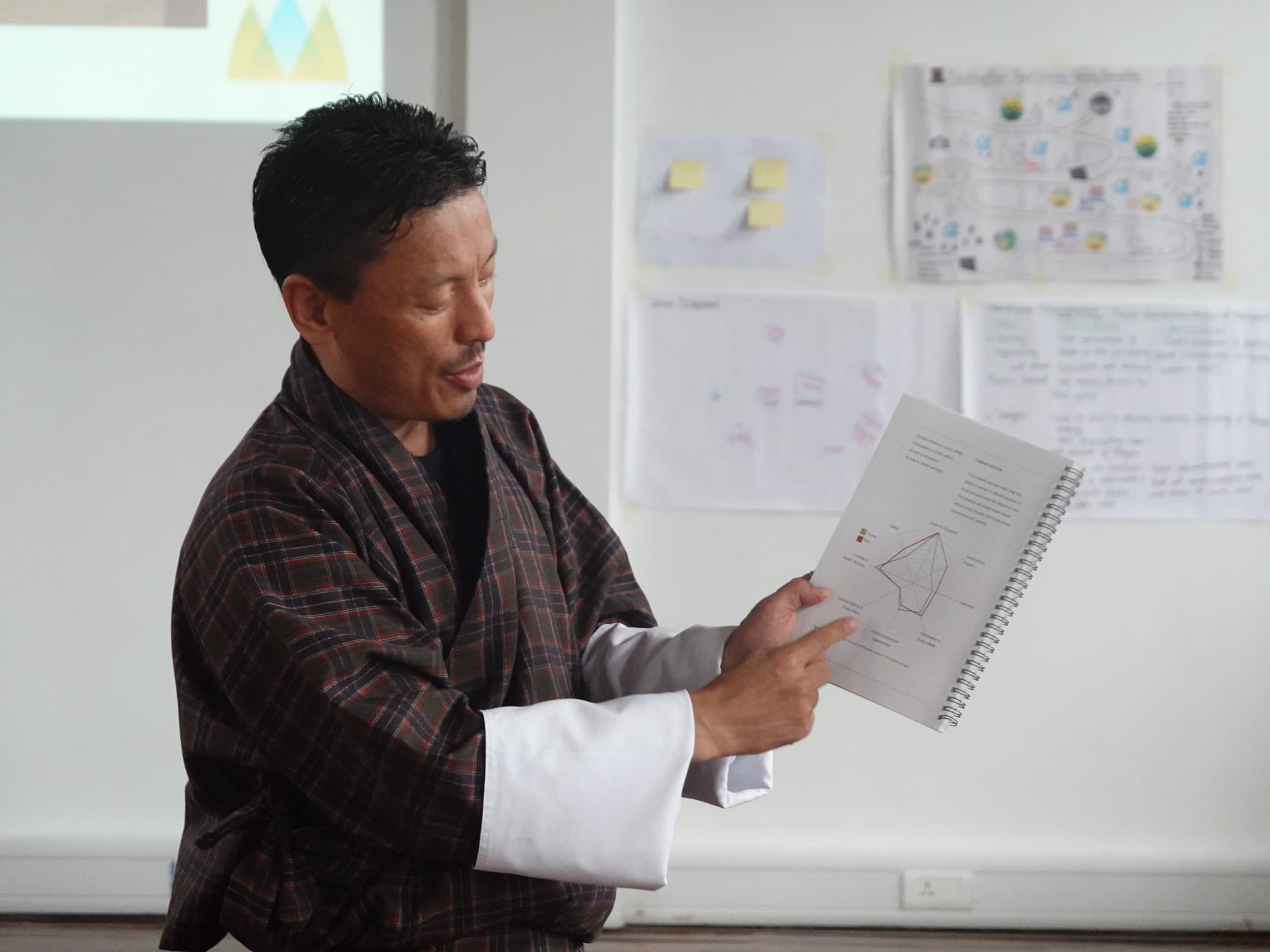
%20making%20presenttaion%20during%20water%20and%20road%20governance%20workshop.JPG&w=3840&q=75)
Effective Local Governance
We engage directly with women's groups, youth groups, rural communities, and local government institutions to build effective, inclusive governance that drives real change at the local level.
Women's Groups·Youth Groups·Rural Communities·Local Government
.JPG&w=3840&q=75)
Sustainable Tourism & Livelihood
Our tourism work offers deeper awareness of Bhutan's natural world and cultural heritage while helping reduce the economic vulnerabilities of rural families to climate change.
Natural Heritage·Cultural Tourism·Climate Resilience·Rural Livelihoods
Capacity Building & CSO Partnerships
We build the capacity of and partner with local civil society organisations to extend their reach to the most vulnerable individuals and groups across Bhutan.
CSO Support·Training·Community Outreach·Vulnerable Groups
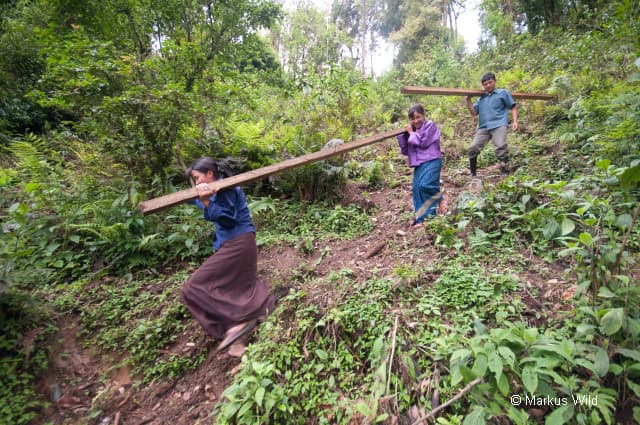
People-Centred Forest Management
We support people-centred forest management for climate mitigation and adaptation, particularly through partnerships with Community Forest Management Groups across Bhutan.
Community Forests·Climate Adaptation·Management Groups·Livelihoods
The Context
Why We Do It
The context and challenges that shape our purpose.
Local Governance & Civil Society
- Bhutan's 2008 democratic transition mandated decentralisation and citizen engagement
- Local government bodies need stronger capacity and citizen participation
- Women and youth remain underrepresented in governance processes
- CSO financial sustainability is a persistent challenge
Bhutan's transition into parliamentary democracy brought a constitutional mandate for decentralisation, citizen engagement, and a vibrant civil society. Yet over a decade later, these aspirations remain only partially realised.
Local government institutions, Gewog Tshogdes and Dzongkhag Tshogdus, are elected bodies with development mandates, but many face capacity and resource constraints. Women's and youth participation remains limited.
Civil society organisations play a critical bridging role, but many face sustainability challenges. LEAD+ works to strengthen both governance institutions and the CSOs that serve communities.
Sustainable Tourism & Livelihood
- "High value, low impact" tourism policy positions Bhutan as a premium destination
- Tourism is central to post-COVID economic recovery
- Local governments seeking to attract community-based visitors
- Environmental and cultural risks of rapid tourism growth must be managed
Bhutan's "high value, low impact" tourism model attracts visitors seeking authentic cultural and natural experiences. Post-pandemic recovery has placed tourism at the centre of economic strategy.
Local governments are increasingly seeking to distribute tourism benefits to communities. However, rapid growth brings risks, environmental degradation, cultural commodification, and economic leakage.
LEAD+ supports communities in developing tourism models that genuinely balance visitor experience with community ownership and environmental stewardship.
Climate Change, Forests & Livelihoods
- Rural livelihoods depend on climate-sensitive agriculture, forestry, and water
- Community Forest Management Groups play a central but underutilised role
- Women's leadership in CFMGs needs greater recognition and support
- Forest resources offer untapped livelihood and conservation opportunities
Bhutan's economy and rural livelihoods depend on climate-sensitive sectors. Climate change is already affecting crop yields, water availability, and forest health, threatening rural wellbeing.
Bhutan has one of Asia's most progressive community forest frameworks. Community Forest Management Groups, often led by women, manage forests for both conservation and livelihood purposes.
Yet women's participation and decision-making authority within CFMGs remain limited. Many groups lack technical skills and market linkages to realise the full potential of forest resources. LEAD+ bridges these gaps.